
ENGIE Laborelec tests carbon capture in pilot unit
Since the end of 2024, Knippegroen power plant has been home to a pilot carbon capture unit, set up in two containers next to the boiler house. The installation was completed in the Summer of 2025 and will remain in Ghent until at least the end of 2026.
What is carbon capture?
The term ‘carbon capture’ refers to the capture of CO2 released by human activities, such as industrial processes. This captured CO2 can then be reused as a feedstock, for example for the production of synthetic fuels, or can be transported to a storage location, such as under the seabed. Various technologies exist for capturing CO2, which are at different stages of development.
What is the goal of this project?
The Knippegroen pilot project originated from the question of whether carbon capture could play a concrete role in the transition to a net-zero carbon economy in the future. After many years of research, ENGIE Laborelec is taking the next step and putting the technology into practice itself. Thanks to a pilot installation connected to an operating power plant, experts are developing the knowledge and expertise needed to assess the role that CO2 capture could play in ENGIE’s ambition to achieve carbon neutrality for its own operations by 2045, while supporting industrial customers and sectors that are the most difficult to electrify in their decarbonization journey.
About the pilot unit
The innovative installation in Knippegroen uses the most advanced carbon capture technology currently available. This technology isolates CO2 from the flue gases produced by combustion processes using chemical solvents.
Laborelec's specialists designed the pilot installation with flexibility and versatility in mind: it can capture CO2 from flue gases with different compositions, flow rates, and CO2 concentrations, using different types of solvents, and can be moved to another location with relative ease.
Want to know more?
In this video, our experts discuss the project:
Articles and press releases
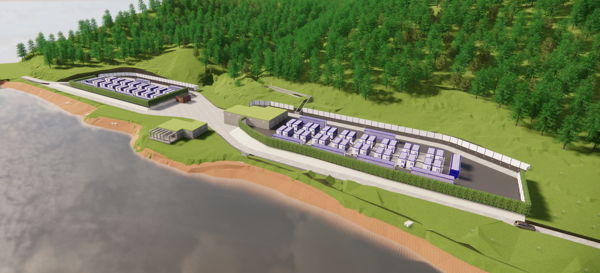
ENGIE has started construction of a new large-scale battery park in Coo, Belgium
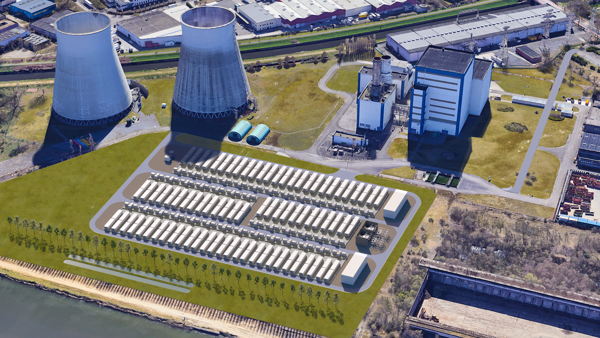
First spade in the ground marks start of construction for ENGIE’s new battery park in Vilvoorde
Our strategy to accelerate the energy transition

Code Red action: objectifying the debate
Among other things, the claim that ENGIE is the most polluting company in Belgium is factually incorrect. Code Red also made wrong assumptions about ENGIE's strategy and activities.
Below are some elements to counter their arguments: